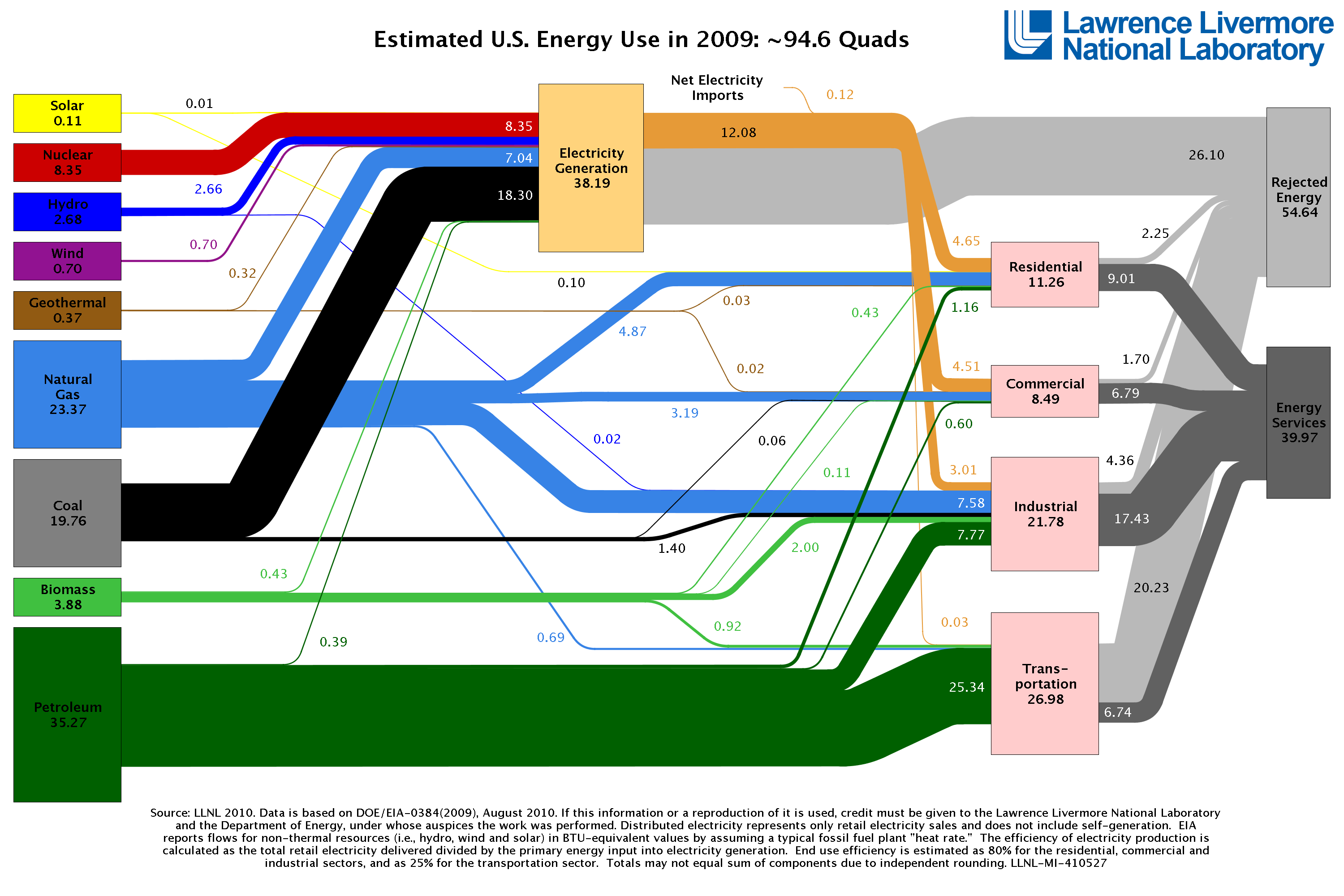
He also details more LNG export plans, specifically:
Freeport LNG Expansion LP, together with Liquefaction LLC, applied on Dec. 17 to export 1.4 billion cubic feet of natural gas per day from a terminal port near Freeport, Texas. Lake Charles Exports LLC, a subsidiary of British-based BG Group and Houston-based Southern Union Company, applied to DOE on May 6 to export 2.0 billion cubic feet a day from its Lake Charles, La., facility.The story also bemoans the fact that the US imports 10% of our gas needs. According to the Energy Information Agency (EAI) gas imports in 2010 averaged 10.4 BCFD. For comparison the proposed Alaska Gas Pipeline will export 4.5 BCFD of gas to Canada, offsetting about half of our natural gas imports.
If the DOE approves those requests, combined with the Sabine permit, the total 5.2 billion cubic feet a day proposed for export would represent 8.4 percent of U.S. production, a Tribune-Review analysis determined.
In summary, according to the article, exporting LNG is a bad idea according to the author because:
- LNG exports will drive up gas prices
- We would export clean energy and import dirty oil
- We are dumb
- Exporting LNG will drive up natural gas prices - GOOD. Current pricing in the $4/MMBTU range will not support job growth in America. $6/MMBTU gas puts Americans to work - building LNG plants, building pipelines, and building petrochem plants. Maybe even building the Alaska Gas Pipeline. I don't see a problem with that. For once we can export a product to Asia and keep the jobs at home.
- Importing "dirty" oil sounds just awful doesn't it? The fact is that high sulfur, thick crudes are less expensive and our technological leadership in refining allow us to use the materials. American know how, cheaper products - can't beat that.
- Are we dumb? I don't think in those terms. Markets are pretty smart at figuring out how to maximize returns. The Pickens Plan seeks to convert our trucking fleets over to compressed natural gas. I'd call that a pretty good idea, it would be even better if Boone was spending his money instead of reaching out for my tax dollars to fund the plan. Of course increased domestic use of gas for transportation will drive up price which is OK with me since that will spur development and build domestic employment.
- Support the conversion of LNG import terminals into export terminals. Conversion of these facilities is the most cost effective way to get into the LNG export market.
- Let's get serious about Gas To Liquids. Our cheap natural gas and coal can be used to make clean liquid hydrocarbon fuels. Fuels that will burn in our existing cars trucks and trains without all the taxpayer funded investment required by the Picken's Plan. Domestic GTL will help protect us from overseas supply disruptions.
- Let's build facilities in this country instead of building overseas. Let's build LNG export terminals, new petrochem plants, and new pipelines including the Alaska Gas Pipeline. Building here equals jobs here.